“Producing Areas” search results (5000)

Introduction to the producing areas of coffee flavor description and grinding degree characteristics of Kilimanjaro coffee in Tanzania
The coffee producing areas of Tanzania are Moshi, Mbeya and other producing areas around the foothills of Kilimanjaro in the north, and the Songea-Ruvuma area where the Ruvuma river flows to the south. The style is slightly different due to the different growth topography. The coffee produced in Ruvuma, southwest of Tanzania, has wine and fruit aromas, which are different from those near Mount Kilimanjaro in the north.
2016-10-11 Tanzania Kili Mazar Luo coffee coffee flavor description grinding characteristics
Ethiopian Coffee Lim Region Flavor Ethiopian Fine Coffee Bean Introduction
Coffee bugs, in previous installments we learned about the origins and spread of coffee, so where does the coffee we drink today come from? Next, follow Xiao one to explore coffee producing areas around the world ~ Coffee 53 producing areas currently have 53 major coffee producing areas in the world, all distributed in the coffee belt "25N~30S". We're tracking the spread of specialty coffee
2016-04-30 Ethiopia Coffee Lim Origin Flavor Boutique Coffee Bean Introduction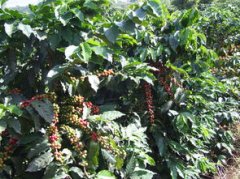
An introduction to the characteristics and attributes of Coffee in eight producing areas of Guatemala
The Ekatra Valley rises to 2000 meters (6500 feet), with dense shade and unique ecology, and the nearby Fuego volcano erupts, making its coarse, sandy soil rich in a variety of minerals. Temperate sea breezes from the Pacific and a seasonal climate allow coffee in this region to be dried by sunlight and processed according to traditional family methods that have been accumulated over the years. [characteristics
2015-03-09 Guatemala eight producing areas Coffee characteristics attributes introduction Akka Turan Mountain
Coffee producing areas in Peru
Peruvian coffee producing areas: up to 98% of Peruvian coffee is grown in forest areas, and most of the producers are small farmers. Peru's finest coffee is produced in Chanchmayo, Cuzco, Norte and Puno. Most Peruvian coffee is grown under natural conditions, but it is also difficult to confirm the cultivation of all coffee trees. Under natural conditions
2014-09-01 Coffee knowledge Peruvian coffee coffee origin
Description of Guatemalan Coffee Flavor with Sweet and sour Fruit introduction to the characteristics of varieties in producing areas
Guatemala faces Mexico to the north, El Salvador and Honduras to the south, the Pacific Ocean to the west and the Caribbean Sea to the east. The territory is full of volcanoes and the soil is full of nutrients. The warm sea breeze, tropical rain forests and alpine valleys in the Pacific Ocean are intertwined into a complex and changeable microclimate, brewing elegant and pleasant acidity and a balanced and comfortable coffee flavor. Viv of Guatemala
2016-10-08 Fruit sweet and sour Guatemala coffee flavor description grinding varieties characteristics production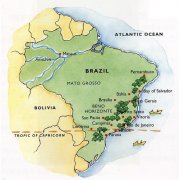
The three major non-volcanic coffee producing areas in Guatemala are the gas in the micro-Tenanguo highland.
Highland Huehue: Highland Huehue: of the three major non-volcanic coffee producing areas in Guatemala, the Mini Tenango Highland has the driest climate and the highest elevation. The dry hot wind from Mexico's Tehuantepec plateau protects the area's coffee from frost. Coffee can be grown up to 2000 meters (6500).
2016-06-14 Micro Tenan Highlands Guatemala Big three Volcanoes Coffee producing areas Special
Introduction to Coffee Bean producing areas-- characteristics of Honduran Coffee from Honduras in South America
Well-known representative coffee: Honduran coffee seems strange to many coffee drinkers. When it comes to coffee production, the geographical conditions of Honduras are no less than those of neighboring coffee-producing countries such as Guatemala and Nicaragua. However, in the past, Honduras was more well-known in the consumer market because it did not have strong support in the handling and transportation of raw beans.
2016-03-28 Coffee beans producing areas introductions South America Honduras boutique coffee characteristics well-known
Description of Coffee Flavor of Incht Manor in Guatemala introduction to the grinding degree of varieties in producing areas
1. Acatenango Valley: the Acatenango Valley is 2000 meters (6500 feet) above sea level, with dense shade and unique ecology. Nearby Fuego volcanoes continue to erupt, making its coarse, sandy soil rich in a variety of minerals. Temperate sea breezes from the Pacific and a seasonal climate make this production.
2016-09-28 Guatemala Hutt Manor Coffee Flavor description Variety producing area Grinding mouth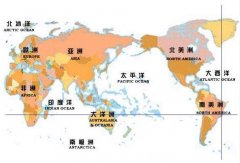
What are the seven coffee producing areas in Guatemala? what is the flavor of fine Guatemalan coffee?
Coffee was really introduced into Guatemala in 1750 by Father Jesuit, where the coffee industry was developed by German colonists at the end of the 19th century. Today, most of the coffee industry's production takes place in the south of the country. There are seven main coffee producing areas in Guatemala: Antigua, Coban, Atitlan and Huehuete.
2016-05-08 Guatemala 7 coffee producing areas respectively what is it boutique flavor
The main manor producing areas of Nicaraguan coffee introduce the boutique coffee beans of Joy Manor.
In February this year, I joined a delegation of Nicaraguan coffee buyers. Over the past nine years, I occasionally visited the coffee-producing areas of Nicaragua, but this time, I felt the sinister impact that the Nicaraguan coffee industry is facing. The persistently depressed coffee prices have a serious impact on the Nepalese economy, but even with such obstacles, people in this place still hold.
2016-07-19 Nicaragua coffee main manor producing area introduction joy boutique coffee beans
Introduction of Colombian Coffee producing area, one of the most famous quality producing areas
As one of the most famous high-quality producing areas in Colombia, the name Huilan has long been familiar, but coffee growers here are not reconciled to the past, and are constantly exploring and growing better and more distinctive micro-batch coffee every year. In the city of Acevedo (Acevedo) in Huilan Province, the producing area of the manor owner Mercedes Nalvaes (Mercedes Narvaez)
2016-06-24 Famous high quality producing area one Columbia coffee introduction as Colombia
The birthplace of coffee-Arabica coffee beans in Ethiopia
Ethiopia is the cradle of mankind and Arabica. Although Ethiopia is located in the tropics, it has a higher altitude, cooler climate than African countries, abundant water resources, abundant species, flowers in full bloom, and has the microclimate needed for boutique coffee! Ethiopia is divided into east and west half walls by the East African Rift Valley, each evolving! The producing areas west of the Great Rift Valley include Zige and Jin of Lake Tana.
2016-05-03 Coffee place of origin Ethiopia rabbi coffee beans humans la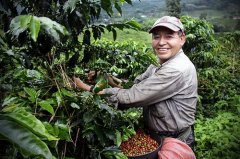
The four largest coffee producing areas in Colombia is one of the few individual coffees sold under the national name in the world.
As long as it is delicious coffee, coffee consumers are willing to pay a high price; as long as delicious coffee is provided, consumers will not abandon coffee and the market will grow. High-quality coffee represented by boutique coffee is better than big business coffee producers and consumers have discovered this simple fact. In recent years, coffee producing countries no longer blindly pursue high output while neglecting quality.
2016-06-15 Colombia coffee big four producing areas a few in the world under the name of the country sold.
High-quality coffee processing methods are introduced in the coffee-producing areas of Honduras with rich flavor.
In Honduras, coffee-producing areas are divided into six major producing areas, spread to the west and south, namely Santa Barbara (Santa Barbara), El Paraiso (El Paraiso), Copan (Copan), La Paz (La Paz), Gongmayagua (Comayagua) and Olanqiu (Olancho), with an average height of over 1100 meters above sea level. The variety of coffee is Arabica
2016-07-06 Taste richness Honduras coffee producing area introduction boutique treatment way square
There are eight major coffee producing areas in Guatemala, the bourbon variety of the Akanango Valley, Katulakatu.
There are eight main coffee producing areas in Guatemala, one of which is the AcatenangoValley (Akanango Valley), Guatemala (AcatenangowbrValley), and the Akanango Valley area, which began to grow coffee as early as the 1880s. Today, at an altitude of 6500 feet (2000 meters), there are many small growers and families.
2016-03-31 Guatemala coffee eight producing areas Carter Nango valley bourbon change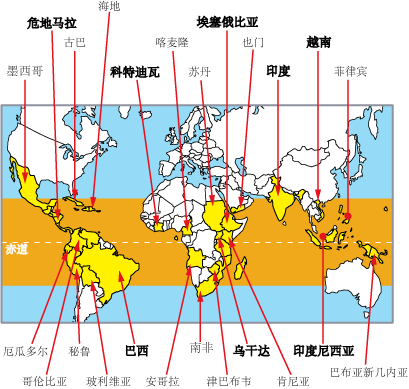
Coffee producing area 53 coffee producing areas in the world Panamanian coffee producing area
The coffee grown in the highlands of Panama is absolutely high quality, but the plantation coffee is not yet on the market. Panama coffee is smooth, light and sour, and its high-quality coffee beans are pure and distinctive. The first batch of coffee exported each year is shipped in November, and almost all high-quality coffee beans are shipped to France and Finland. The best coffee is grown in the north of the country.
2016-03-23 Coffee origin global 53 Panama highlands cultivation coffee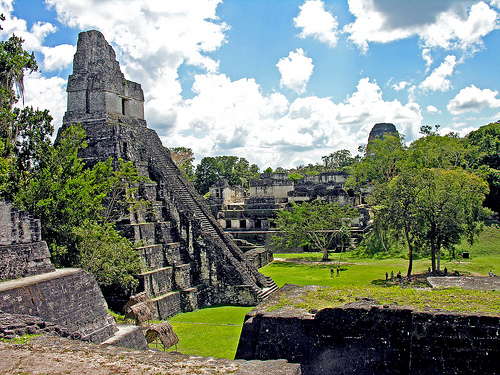
Characteristics and attributes of coffee in eight producing areas of Guatemala
The Ekatra Valley rises to 2000 meters (6500 feet), with dense shade and unique ecology, and the nearby Fuego volcano erupts, making its coarse, sandy soil rich in a variety of minerals. Temperate sea breezes from the Pacific and a seasonal climate allow coffee in this region to be dried by sunlight and processed according to traditional family methods that have been accumulated over the years. [characteristics]
2015-06-04 Guatemala eight producing areas Coffee characteristics attributes Akka Turan Valley pull
Flavor description of coffee beans in eight producing areas of Guatemala
The Ekatlago Valley is 2000 meters (6500 feet) above sea level, with dense shade and unique ecology. The nearby Fuego volcano erupts, making its coarse, sandy soil rich in a variety of minerals. Temperate sea breezes from the Pacific and a seasonal climate allow coffee in this region to be dried by sunlight and processed according to traditional family methods that have been accumulated over the years. [characteristics]
2015-03-14 Guatemala eight producing areas Coffee beans Flavor description Eka Turan Valley
Characteristics and attributes of coffee in eight producing areas of Guatemala
The Ekatlago Valley is 2000 meters (6500 feet) above sea level, with dense shade and unique ecology. The nearby Fuego volcano erupts, making its coarse, sandy soil rich in a variety of minerals. Temperate sea breezes from the Pacific and a seasonal climate allow coffee in this region to be dried by sunlight and processed according to traditional family methods that have been accumulated over the years. [characteristics]
2015-10-16 Guatemala eight producing areas Coffee characteristics attributes Akka Turan Valley pull
What are the producing areas of Guatemalan coffee beans in volcanic geology
Rising to 2000 meters (6500 feet), with dense shade and unique ecology, the nearby Fuego volcano erupts, making its coarse, sandy soil rich in a variety of minerals. Temperate sea breezes from the Pacific and a seasonal climate allow coffee in this region to be dried by sunlight and processed according to traditional family methods that have been accumulated over the years. [characteristics] obvious acidity, dry
2016-04-29 Volcano geology coffee beans Guatemala which producing areas uplift 2000 meters